Lifting equipment is susceptible to wear and tear despite its robust construction and design. Yet, to prevent accidents and ensure the efficiency of the operations, it’s important to perform timely and thorough inspections of the lifting equipment. But how often should lifting equipment be inspected?
While inspections are vital in securing the workplace, they’re also important for preventing liabilities and potential regulatory violations. Successful lifting businesses understand and prioritize rigorous lifting equipment inspection procedure to guarantee reliability.
So, the article will discuss the importance of lifting equipment inspections, their frequency, and complying with safety standards.
How Often Should Lifting Equipment Be Inspected?
There are different types of inspections, each serving a specific purpose in maintaining both the safety and the performance of the equipment. The inspections range from daily routine checks to specialized examinations after accidents or modifications. While the routine checkups occur daily, the periodic inspections can be between six months for all lifting equipment that lifts people and 12 months for all other equipment.
Also, are you looking for reliable lifting equipment? At Tway Lifting, you’ll find a trusted partner for premium quality lifting and rigging solutions for the immaculate execution of your lifting tasks. Discover various lifting products available for rental, including spreader bar for cranes and other hardware that meets the highest safety standards. So, here are the types of inspections and what factors determine their frequency:
Daily routine checkups
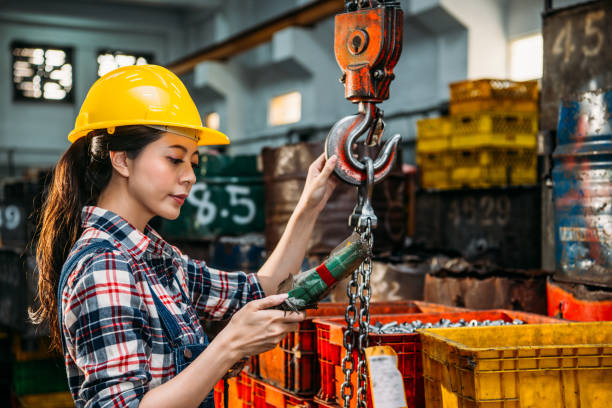
Lifting equipment must undergo daily inspections before each use. This involves a quick visual check to possibly identify any apparent defects or issues that may have arisen since its last use. The goal is to catch immediate safety concerns and address them promptly before they escalate into potential hazards.
During daily inspections, operators should focus on critical components such as hooks, ropes, chains, and cables. These elements are subject to wear and tear and can pose significant risks if damaged.
Operators are typically tasked with the daily routine checkups as they handle the equipment the most. This is why it’s important to have aptly trained operators who understand the equipment and its potential hazards.
Hence, they should examine the overall condition of the equipment and look for signs of wear or loose components. Any anomalies should immediately be reported to the maintenance team, who are specialized in executing reparation and other maintenance tasks.
Periodic inspections
These inspections are typically performed monthly or quarterly, depending on manufacturer recommendations and frequency of usage. Compared to routine checkups, these are scheduled ahead of time and represent more in-depth inspections. They are crucial for maintenance as they prevent issues from developing into major problems.
Periodic inspections are more comprehensive and serve a specific purpose: to detect wear and tear that’s not immediately visible. Over time, components can degrade, but to detect their decay, the equipment needs to be thoroughly examined. The maintenance team that performs these inspections is trained to disassemble the equipment and find internal cracks or corrosion that can compromise the structural integrity of the tools.
Part of the maintenance procedures may include applying lubrication and replacement of old and worn-out components. These inspections include non-destructive testing methods such as ultrasonic testing or magnetic particle inspection, which can detect hidden issues.
Post-installation inspections
Post-installation inspections are one-time checkups that must be performed immediately after installing new equipment. There’s no way around these inspections; they’re the only way to ensure the new equipment is safe and ready for operation. Improper installation can, without a doubt, lead to safety hazards and inefficiencies that jeopardize not only the well-being of workers but also the productivity of the operation.
Regulatory bodieshave made these inspections mandatory to ensure the recommended procedures are respected. This means businesses must acquire suitable lifting equipment testing and certification that guarantee compliance with these safety standards.
These inspections must be conducted exclusively by experienced and certified personnel. The process involves thoroughly examining all components, estimating their structural integrity and functionality, as well as their capacity to withstand the rigors of the tasks.
When the inspectors confirm the safety and functionality of the newly installed components, they must verify the soundness of the assembly and that they are appropriately calibrated.
Special inspections
Some specific circumstances, such as accidents and significant modifications, call for special inspections to be conducted. They aren’t part of the routine schedule but are done as a response to particular events or conditions. Incidents that involve lifting equipment are the most common cause for special inspections, as it’s necessary to determine the extent of damage.
The purpose is to find the cause of the incident and determine whether the equipment was the reason or an outside factor. Moreover, the equipment’s condition needs to be assessed before it’s decided on its future use. If there is a reason to believe that the equipment has sustained damage, then it’s crucial to perform a thorough inspection before using it for other lifting tasks.
So, the types of incidents that may require a special inspection afterward include extreme weather events, exposure to corrosive materials, significant equipment malfunctions, and any other situations that cause a reasonable concern.
Inspection Procedures for Lifting Equipment
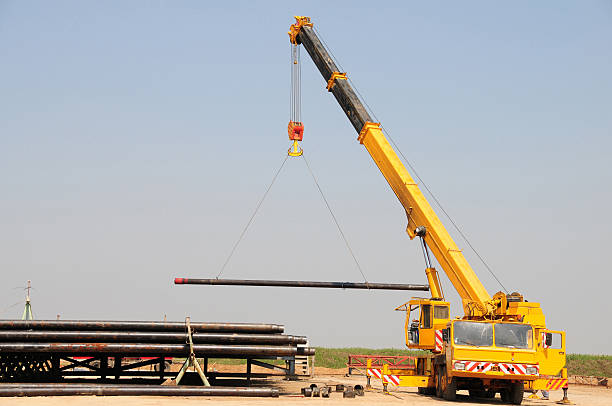
Inspectors should examine the equipment’s structural components, such as the frame, beams, and supports. These parts are particularly susceptible to corrosion, cracks, and deformation, which cause a lack of stability in the equipment.
The moving parts, like hooks, ropes, chains, and cables, should be closely examined for possible wear, fraying, or deformation. These components are under constant pressure and can be points of failure if not in optimal condition.
Furthermore, all safety devices like limit switches, emergency stop buttons, and overload indicators must be functional and well-maintained. Load indicators must be inspected to ensure the accuracy of the weight they’re lifting, as incorrect readings can lead to overloading accidents.
Wiring, connectors, control panels, and other electrical components must also be part of the inspection procedure, especially during scheduled maintenance checks. Exposure to wires, loosened connections, or other electrical issues poses an extremely dangerous hazard during work.
Additionally, hydraulic equipment can suffer leakage, loss of fluid levels, and damage to the hoses and fittings. Similarly, brakes and locking mechanisms must be tested as they are crucial for controlling the equipment during operations.
Common defects to consider
- Cracks
- Rust
- Corrosion
- Wear
- Deformation
- Signs of overheating
- Loose or missing fasteners
Consequences of neglecting inspections
Not performing lifting equipment inspections can have severe consequences ranging from increased safety hazards to potential legal liabilities with heavy financial repercussions. The safety hazards are the most critical consequence, as the increased risk of accidents and injuries can cause irreparable damage.
Lifting equipment usually handles heavy loads, and its failure can result in catastrophic accidents, including falls, dropped loads, and equipment failures that can potentially harm personnel. The legal consequences of not complying with safety regulations are stringent, with many designated fines, penalties, and legal liabilities.
Regular maintenance can be costly, but the financial implications of neglecting inspections are much costlier. Accidents resulting from equipment failures can lead to expensive medical bills, compensation claims, property damage, and legal settlements that far outweigh the cost of regular inspections. Plus, we should not mention the damage to reputation that such incidents can cause.
Even insurance companies require lifting businesses to adhere to safety standards, including regular equipment inspections. Neglecting these inspections can result in increased insurance costs or difficulty obtaining insurance.
Regulations and standards
The proper maintenance of lifting equipment is covered through the regulations and standards of OSHA (Occupational Safety and Health Administration), ASME (American Society of Mechanical Engineers), and local regulations.
OSHA
These regulations are designed to ensure workers’ safety and prevent accidents. They cover topics such as crane safety, operator certification, and frequency of inspections.
OSHA conducts planned and unannounced workplace inspections to assess compliance with safety standards. They also conduct inspections after employee complaints or incidents that have resulted in severe injuries, fatalities, or significant property damage.
ASME
ASME standards provide guidelines for equipment design, construction, and inspection frequency. Manufacturers and industries widely adopt these standards to ensure equipment safety and compliance.
Along with other things, ASME provides cranes, hoists, and other lifting equipment standards. The ASME B30 series of standards offers guidelines for the safe operation of these devices, including inspection and maintenance.
Moreover, ASME allows certification programs that allow companies to have their products and processes certified as complying with ASME standards. Achieving ASME certification strongly indicates that a business is performing to high standards.
Local regulations
Local authorities may demand regular inspections of lifting equipment to ensure workplace safety. These inspections are mandatory and may be carried out by local agencies or third-party inspections.
Summary
Frequent inspections are crucial for ensuring the safety and reliability of the lifting equipment. It’s also essential to ensure there’s legal compliance for businesses that are involved with crane operations, rigging, and the use of other machinery to perform lifting tasks.
So, how often should lifting equipment be inspected? It depends on the type of equipment, its usage frequency, operating condition, and the location-specific regulatory requirements.
There are different types of inspections, all of which serve a specific role in securing workplace safety and effectiveness. These include daily routine checkups, periodic, post-installation, and special inspections. OSHA and ASME are the two bodies that set the safety standards for lifting equipment, while businesses might also have to comply with local regulations.